Running Shoes for Heavy Weight Runners India: Expert Picks
Key Highlights
The best running shoes for a heavy runner in India focus on cushioning, stability, and durability, not just brand name.
A wide platform helps create a stable ride and reduces wobble during daily training and long runs.
Models from Adidas, ASICS, Brooks, Nike, New Balance, Puma, Saucony, Hoka, Reebok, and Skechers all bring useful strengths.
In Indian weather, breathability matters, especially for hot and humid runs.
Heavy runners should look for strong outsoles, good shock absorption, and a secure fit.
Affordable options exist, so you do not need to overspend for support.
Introduction
Choosing the right running shoe matters even more when you are a heavy runner in India. Daily training puts extra load on your feet, knees, and ankles, so poor support can feel obvious very quickly. You need cushioning that protects, a stable base that keeps you balanced, and an upper that works in warm conditions. This guide is here to help you find practical options for different needs, from comfort-focused daily training to durable pairs that can handle regular miles.
Expert Picks of Running Shoes for Heavy Weight Runners in India
These expert picks are based on tested factors that matter most to heavier runners. The focus stays on shock absorption, stack height, platform width, outsole durability, and how stable the shoe feels under load. That matters because more body weight usually means more landing force.
At the same time, a good pick should not feel flat or lifeless. Energy return, support, and fit all shape the ride. The next sections cover the best running shoes across cushioning, stability, durability, value, and wide-fit comfort.
1. Adidas UltraBoost 22 – Best Cushioning for Heavy Weight Runner Shoes
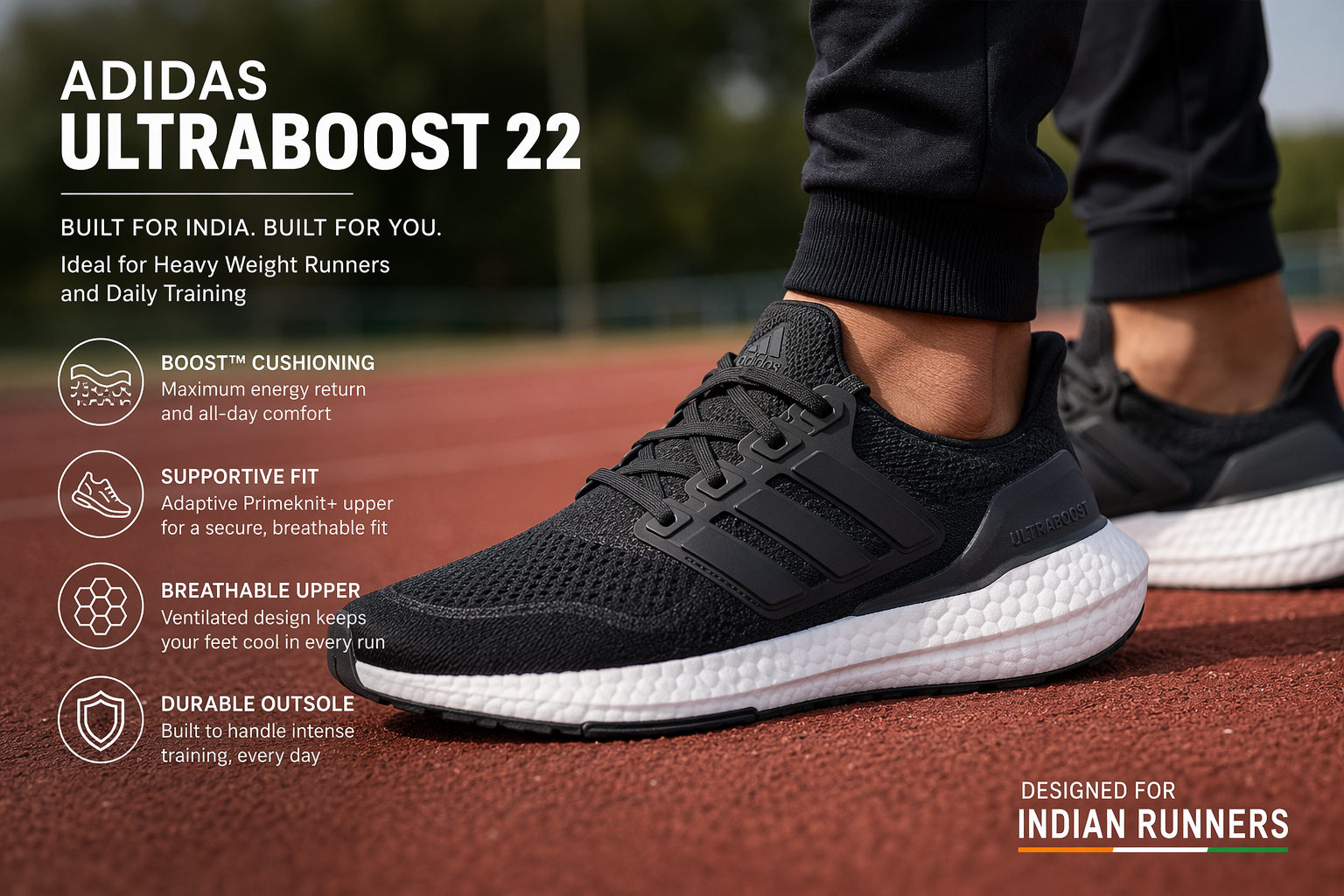
If you are asking what are the best running shoes for heavy weight runners in India, Adidas deserves a place in the conversation. The Ultra Boost line stands out in test data for outsole durability, and Adidas models also appear among the most breathable options for bigger runners. That combination is useful when you want comfort plus long-term wear.
For a heavy runner, cushioning alone is not enough. You also need a shoe that can keep its shape and protect your legs over time. The ultra boost approach works well because it balances soft landings with useful energy return, while a generous stack height helps reduce harsh impact on road runs.
This makes it a smart daily trainer for long runs, easy miles, and steady use through the week. If you want plush comfort without ignoring durability, Adidas is one of the best running shoes categories to consider.
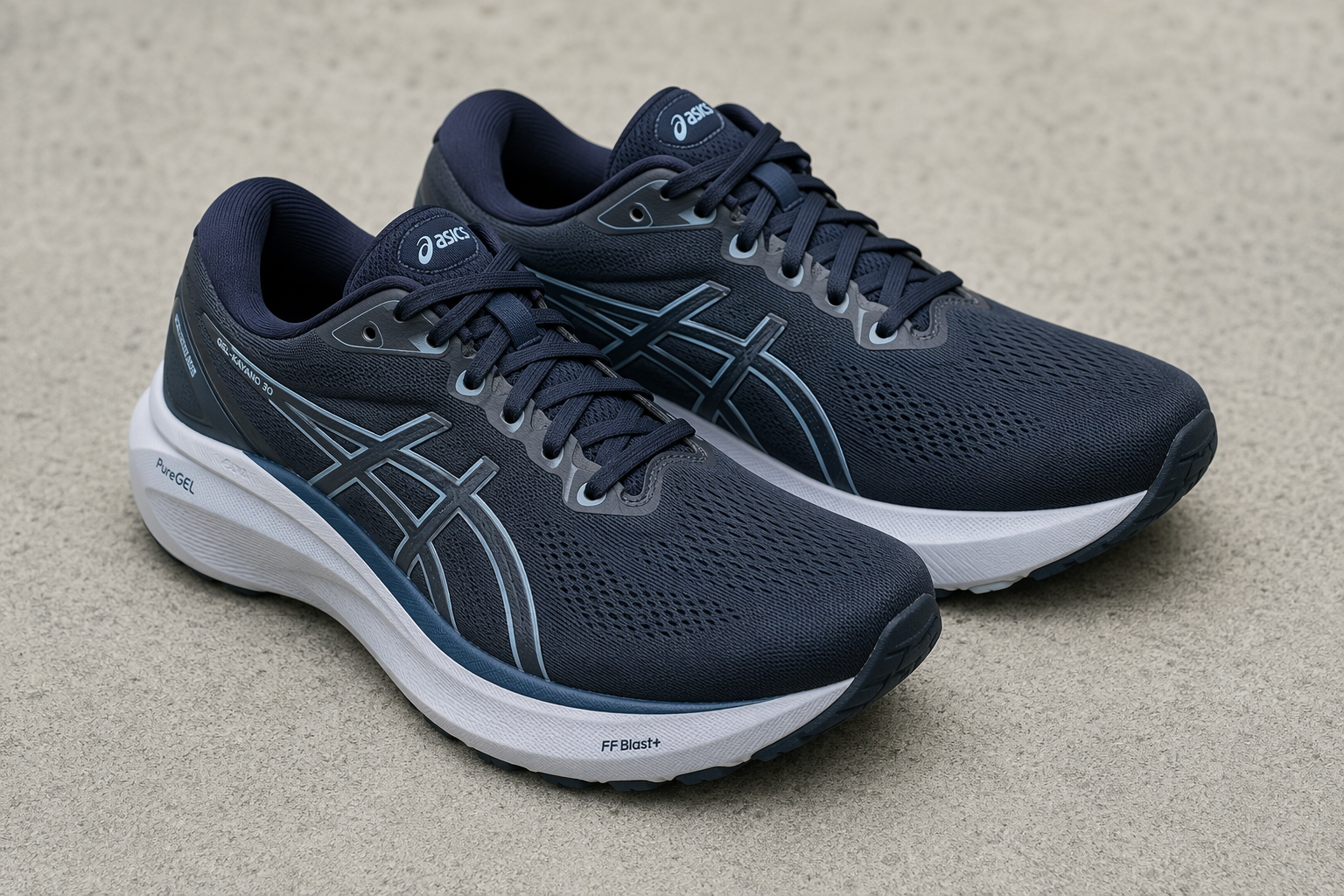
2. ASICS Gel-Kayano 30 – Top Stability Choice for Indian Heavy Runners
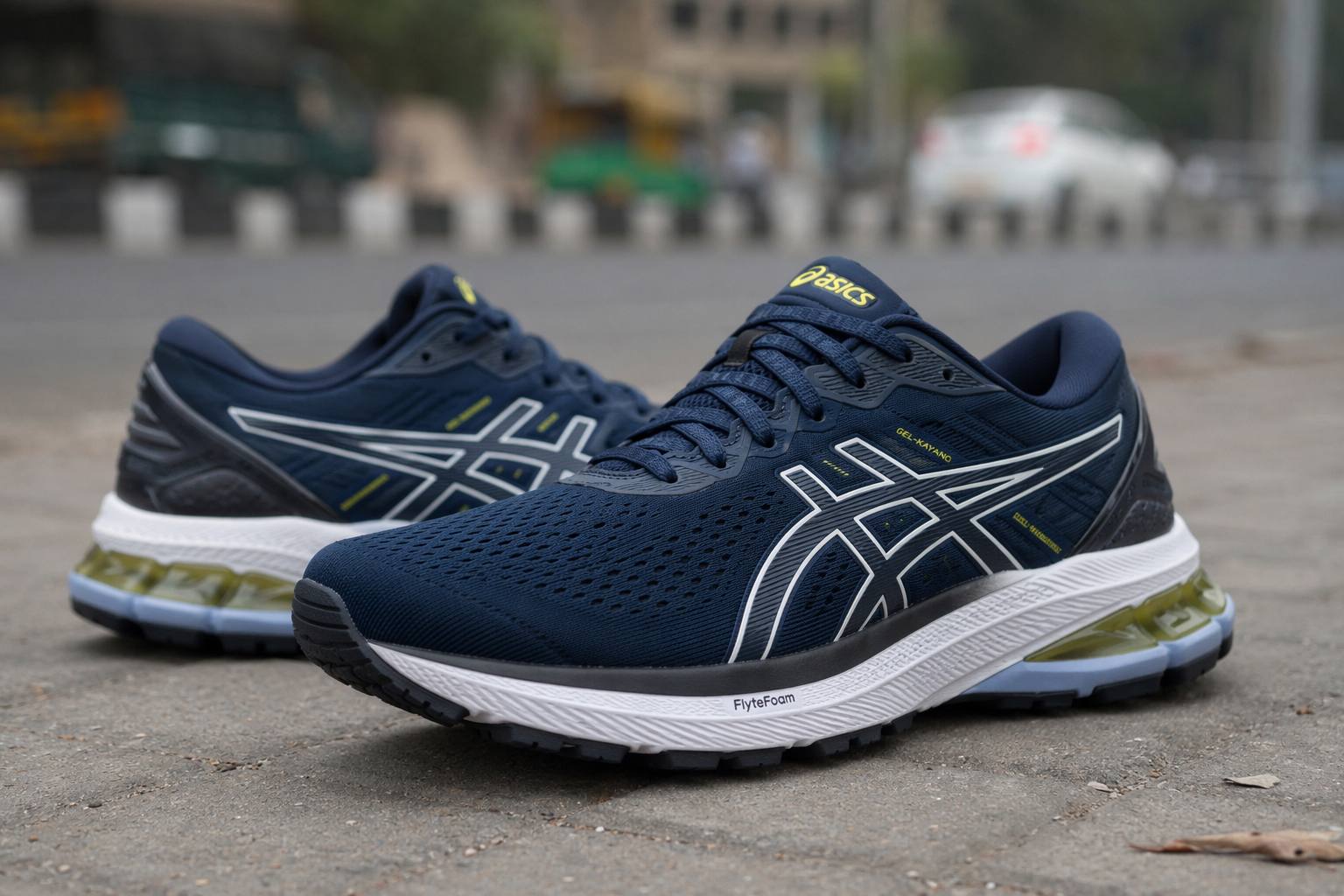
ASICS is one of the safest brands to consider if you want durable running shoes for heavy runners in India. The asics gel family performs well in stability-focused testing, and the Gel-Kayano line is built for runners who need a strong stable ride with reliable support under fatigue.
What makes this style work is the mix of protective cushioning and stability elements. Test data on the Kayano shows a broad platform, solid grip, and support systems that help maintain proper form. That matters if you overpronate or simply want arch support that keeps the stride more controlled during daily training.
For Indian runners, this kind of stability shoe makes sense on roads, pavements, and longer easy sessions. It is not the liveliest option for speed, but it is a dependable choice when support, comfort, and structure matter more than flashy energy return.
3. Brooks Ghost 15 – High Durability for Heavy Weight Runner Shoes
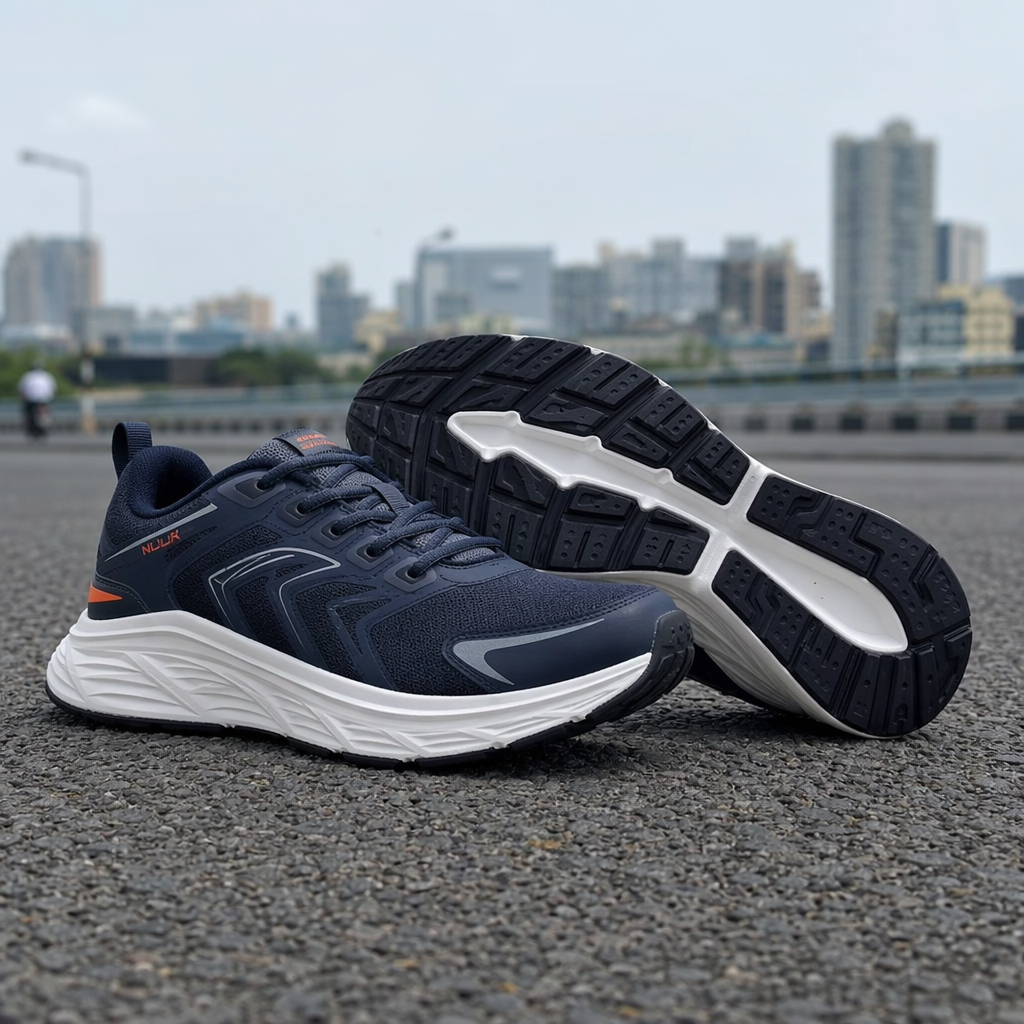
Yes, there are shoes tested specifically with heavier runners in mind, and Brooks is one brand that keeps showing up in durability results. The brooks ghost line, especially later tested versions, stands out for strong outsole wear resistance. That makes it a practical option if you want durable shoes for everyday miles.
A heavy runner usually needs enough stack height to reduce repeated impact, but not everyone wants an overly soft or disconnected ride. Brooks often lands in that middle ground. You get solid impact protection, dependable rubber underfoot, and a ride that keeps some ground feel without becoming harsh.
That is why the Ghost style works well for daily training, slower paces, and general mileage. If your priority is a long-lasting trainer that can handle regular pounding on Indian roads, Brooks is a brand worth serious attention.
4. Nike Air Zoom Structure 24 – Reliable Support for Heavy Runners
If you are trying to choose the right running shoe as a heavy runner in India, start with support and fit. A model like the Nike Structure category makes sense because stability shoes are often better at keeping your foot aligned when landing forces are higher. That can help your stride feel smoother over time.
A good stable ride depends on more than foam. The lacing system should lock the midfoot without creating pressure points, the heel should feel secure, and the toe box should leave enough room for your toes to spread. When the upper wraps the foot well, the shoe feels more controlled and less sloppy.
That matters most during daily training, when repeated steps expose small fit problems. So before buying, check heel hold, toe box space, and how the shoe feels when walking and jogging. Right shoes should feel supportive, not restrictive.
5. New Balance Fresh Foam 1080 – Wide Fit Option for Heavy Weight Runner Shoes
Do heavy runners in India need wide-fit running shoes? Not always, but many do benefit from them. If your feet feel squeezed, your toes rub, or the upper creates pressure points, a wider shoe can improve comfort right away. That is why New Balance gets attention for offering width options and a more accommodating fit.
The fresh foam category is associated with plush comfort, and a wide platform can add the stable feel heavier runners need. A broad landing base reduces wobble, while a roomy toe box gives your forefoot space, especially on longer runs when feet swell a little bit.
This kind of setup is useful if your regular shoes feel narrow through the midfoot or forefoot. The right fit should feel secure at the heel but open enough in front. For many runners, that balance makes wide-fit models a smarter choice than simply sizing up.
6. Puma Velocity Nitro 2 – Affordable Performance for Heavy Runners
If you want affordable shoes for heavy runners available in India, Puma is worth a look. The appeal here is simple: you get a modern daily trainer feel without jumping straight into premium pricing. That matters if you are building consistency and want a pair for regular use.
A shoe in this category works best when it combines enough cushioning with a ride that does not feel too heavy. Nitro foam is known for helping that balance, giving a lightweight trainer feel with better rebound than many low-cost models. For heavy runners, that can make everyday runs feel less dull.
This makes the Velocity Nitro type a practical everyday choice for easy miles and routine workouts. It may not be the most supportive option for severe pronation, but it is one of the better affordable shoes ideas for runners who want comfort, value, and usable performance.
7. Saucony Triumph 21 – Superior Shock Absorption for Heavy Weight Runner Shoes
Yes, there are specific features to look for in running shoes for heavy weight men, and Saucony gives a clear example. In testing, the Triumph line stands out for high shock absorption, strong cushioning depth, and impressive rebound. That makes it a strong option if you want comfort that does not feel dead.
The key detail is the pwrrun pb foam setup. It delivers strong energy return while still protecting the legs. Test numbers on the later Triumph model show both high heel and forefoot shock absorption, plus a tall stack that helps reduce repeated pounding during long sessions.
Even with that much cushion, it can still feel like a stable shoe because of its broad platform. If you want something for longer runs, recovery days, or a premium daily trainer feel, Saucony Triumph is one of the better choices for heavier runners.
8. Reebok Floatride Energy 4 – Lightweight Comfort for Heavy Runners
Experienced heavy runners usually give simple advice: do not chase the lightest shoe at the cost of support, but do not assume heavier always means better. A model like Reebok Floatride Energy fits that thinking well. It aims to keep weight manageable while still offering enough cushion for regular road use.
That balance matters because some runners want more natural movement and a bit of ground feel, especially for shorter efforts or tempo runs. A lightweight trainer with responsive foam can feel easier to turn over than a max-cushion option, which some runners find bulky.
So what should you take from that? Match the shoe to your runs. If your daily training includes shorter steady efforts and you prefer flexibility over a huge platform, this type of shoe may suit you better than an oversized cushioned trainer.
9. Hoka One One Bondi 8 – Maximum Cushioning for Heavy Weight Runner Shoes
If you are wondering whether cushioning or stability is more important for heavy weight runners in India, the answer is usually both. The hoka bondi line shows why. It delivers maximum cushioning but also uses a wide platform and sidewall design to stop the ride from feeling too unstable.
Tested versions of Bondi show very high stack numbers, strong shock absorption, and a planted base. That means the shoe can protect joints during repetitive road miles while still giving some structure underfoot. The rocker geometry also helps the foot roll forward smoothly, which many runners like on tired legs.
This makes Bondi especially good for recovery runs, walking, and slower steady efforts. The one caution is fit. Bondi can feel narrow in the toe box for some runners, so it suits runners who want soft landings and stable support but do not need a very wide forefoot.
10. Skechers GoRun Max Road 6 – Breathable and Flexible for Heavy Runners
Yes, heavy-runner testing does matter, and one lesson from that testing is clear: not every bigger runner wants a stiff, bulky shoe. Some want breathable shoes with enough cushioning and a more flexible ride for daily training. That is where a model like Skechers Max Road enters the picture.
For Indian conditions, airflow matters. A mesh upper can improve comfort during hot and humid runs, especially when thicker shoes start feeling stuffy. Breathability, though, should still come with a secure hold so the shoe remains one of the supportive shoes in your rotation rather than a loose, soft slipper.
This kind of shoe works best if you want comfort plus movement freedom. It is useful for easy road miles and routine runs, though runners needing strong motion control may be better off in a more structured stability shoe.
Essential Features to Look for in Heavy Weight Runner Shoes
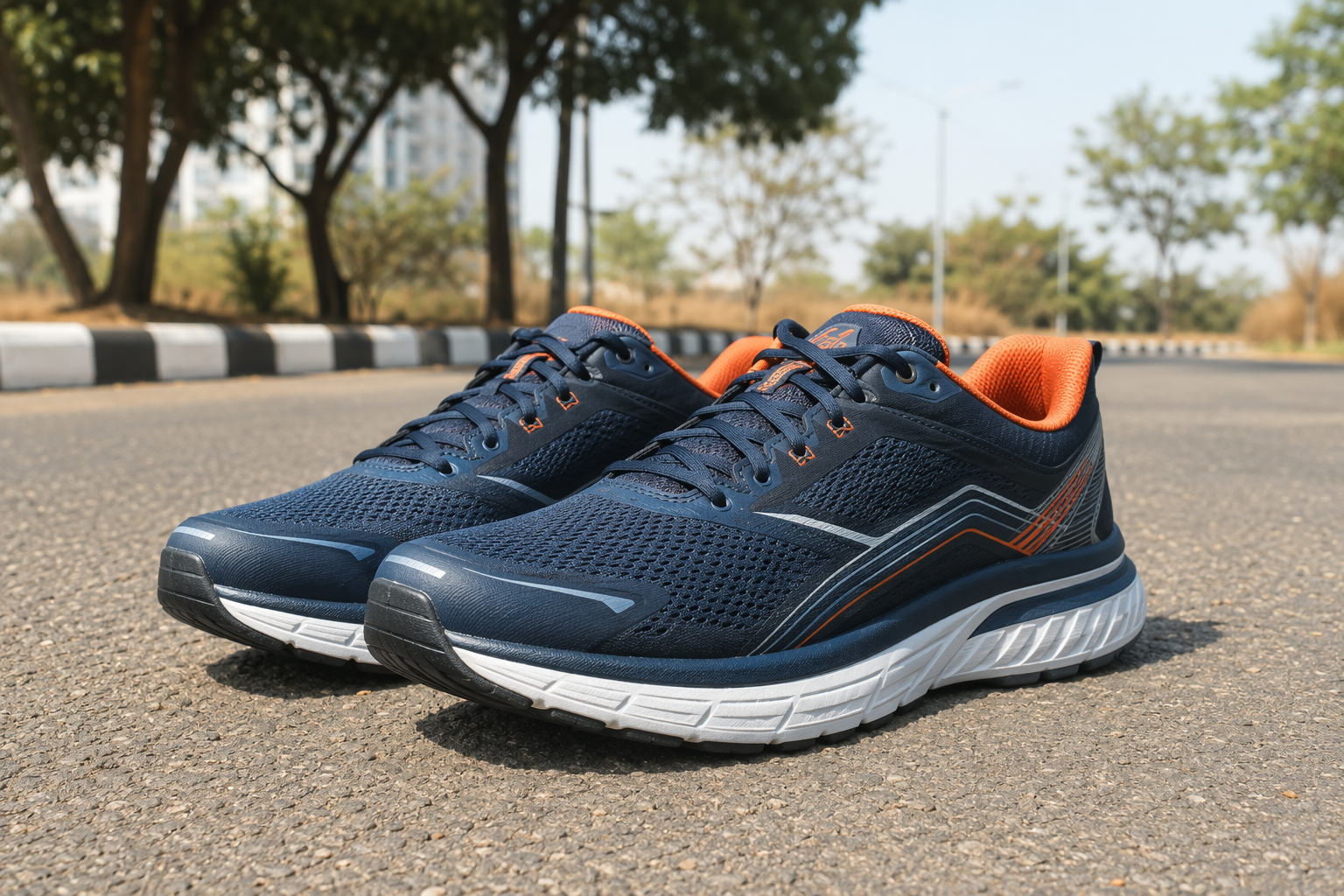
Heavy runners should keep the basics clear. A good shoe needs protective cushioning, a stable ride, enough width, and an outsole that can take repeated impact. Stack height helps, but it only works well when the midsole foam also absorbs force effectively.
You should also think about climate and surface. Indian roads and heat can expose weak uppers fast. Whether you are shopping for a road trainer or the best trail option, the next features matter more than hype or any shoe of the year label.
Cushioning Technology for Impact Reduction
One of the biggest features to look for is cushioning that actually reduces absorbed impact. For heavy runners, test guidance suggests aiming for strong shock absorption at the heel, ideally around or above the level that keeps repeated landings from overloading your legs. This matters more than marketing language.
Midsole foam is the main player here. Some foams focus on plush comfort, while others mix softness with structure. The best choices for heavier runners usually avoid foam that is too mushy, because very soft shoes can feel unstable when body weight pushes deep into the platform.
You should also think about energy return. A shoe that cushions well but gives nothing back can feel flat after a few miles. That is why options like pwrrun pb foam stand out. They soften impact and still help your stride feel more efficient during daily training or long runs.
Stability and Arch Support for Heavy Runners
For heavy runners, stability is not just for people with severe pronation. Even neutral runners often benefit from a broad platform and mild stability elements because extra body weight can make narrow shoes feel wobbly. That is why cushioning and stability should work together, not compete.
Arch support can help if your foot rolls inward too much, but the bigger picture includes base width, heel counter structure, and how the midsole guides the foot. Systems such as centerpath technology show how brands can build support without making the shoe feel overly harsh or old-fashioned.
The goal is proper form that lasts when fatigue builds. A stable shoe keeps landings more controlled and helps reduce side-to-side movement. If you often feel your ankles collapse inward or your stride gets messy late in a run, a stability shoe is usually the smarter pick.
Breathability and Moisture Control for Indian Climate
Hot weather changes what a good running shoe feels like. In the Indian climate, breathable shoes can make daily runs more comfortable and help reduce that hot, damp feeling inside the upper. Test data shows that some shoes with lots of padding trade airflow for support, so you need balance.
A mesh upper is the easiest place to start. It should let air pass through without creating weak hold around the midfoot. Moisture control also matters because sweaty feet can increase rubbing and pressure points, especially on long runs or during humid mornings.
Keep these points in mind:
Look for uppers with visible ventilation holes or open mesh zones.
Avoid overly packed uppers if you mostly run in warm conditions.
Make sure breathability does not come at the cost of heel security and fit.
How to Choose the Right Running Shoes If You Are a Heavy Runner in India
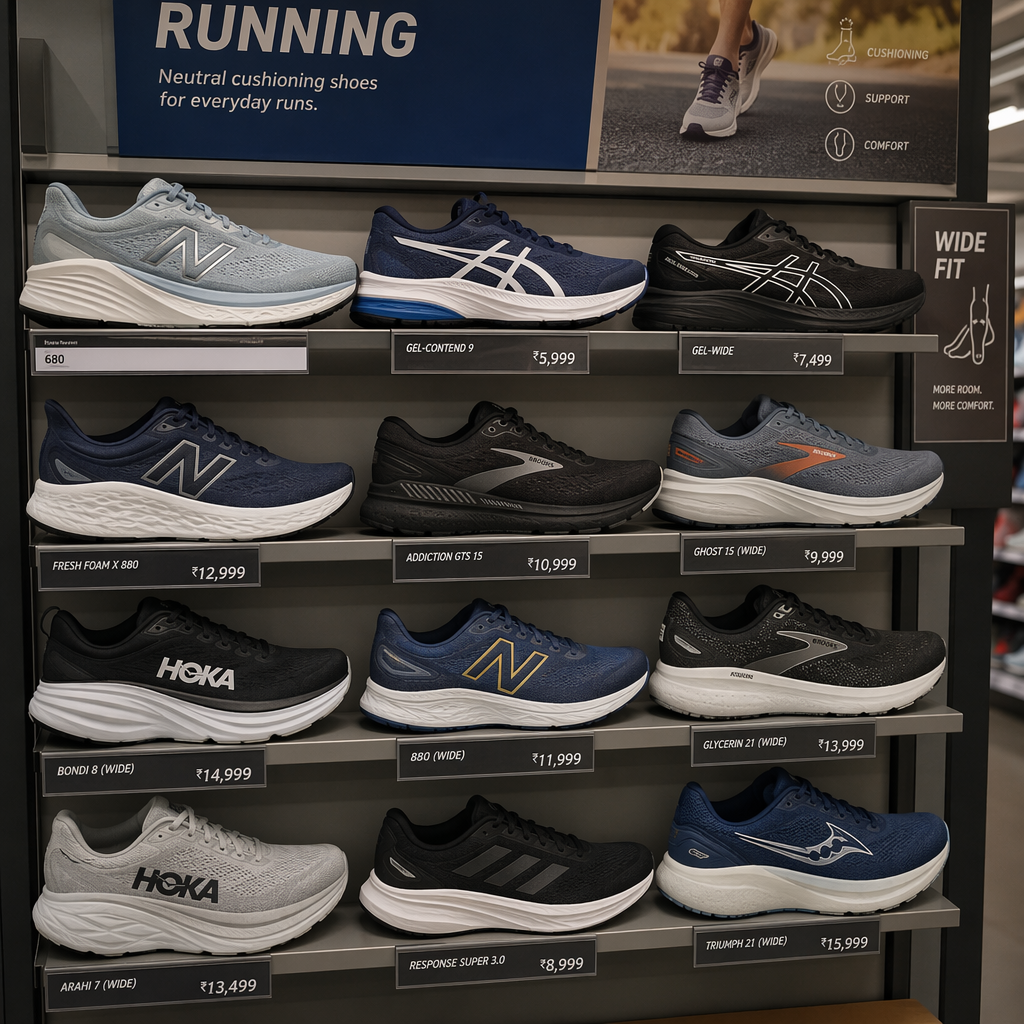
Start with how you run, not with what is popular. The right shoes for a heavy runner should match your gait, foot width, and typical pace. A wide platform often helps because it creates a steadier base and supports proper form when impact loads are higher.
Then think about use. Your daily trainer should feel comfortable for repeat miles, not just impressive in hand. Fit, support, and stability all matter. The next steps break down how to assess your feet, your sizing needs, and where to shop in India.
Assessing Your Foot Type and Gait
The first step is understanding your foot type and how you move. Do you have a neutral stride, or does your foot roll inward too much during landing? This is where gait analysis helps. It gives you a better sense of whether neutral shoes are enough or if you need extra control.
That matters because pronation changes how force travels through the shoe. If you overpronate, one side of the outsole may wear faster and your stride may feel less balanced. Heavier runners often notice this sooner because the load on each landing is greater.
A quick check of old shoes can help, but a proper gait analysis is better if you are unsure. Once you know your pattern, picking the right model becomes easier. You can aim for either neutral shoes with a stable feel or a true stability shoe with more guidance.
Importance of Wide-Fit and Proper Sizing
Many heavy runners do better in a wide fit, especially if the forefoot feels cramped in standard shoes. That does not mean everyone needs extra width, but it does mean proper sizing should go beyond just shoe length. Width options matter because a narrow fit can create rubbing and pressure points.
A good toe box should let your toes spread naturally without letting the foot slide around. Some brands offer Wide 2E and Extra Wide 4E options, while others use naturally roomier shapes. The right fit should feel secure at the heel and midfoot, but relaxed in front.
Use these sizing tips:
Try shoes later in the day when feet are slightly larger.
Check that your toe box has enough room for swelling on long runs.
Do not size up in length to fix a width problem.
If you feel side squeeze, look for actual width options.
Trying Shoes In-Store vs. Online Shopping in India
Both methods can work, but they solve different problems. In-store shopping is better if you are unsure about sizing, width, or the right fit. You can test heel hold, toe room, and step-in comfort right away. That is helpful if you are choosing your first serious pair.
Online shopping usually gives you better shoe deals and more size availability. The compiled market data mentions stores such as Amazon, REI, Zappos, Fleet Feet, Running Warehouse, and brand sites as common sellers for these models. When shopping from India, use platforms that clearly show return policies and width details.
Helpful try-on tips:
Wear the socks you actually run in.
Walk and jog a little to check heel slip and forefoot space.
Compare both feet, since one may fit slightly differently.
Durable and Affordable Heavy Weight Runner Shoes in India
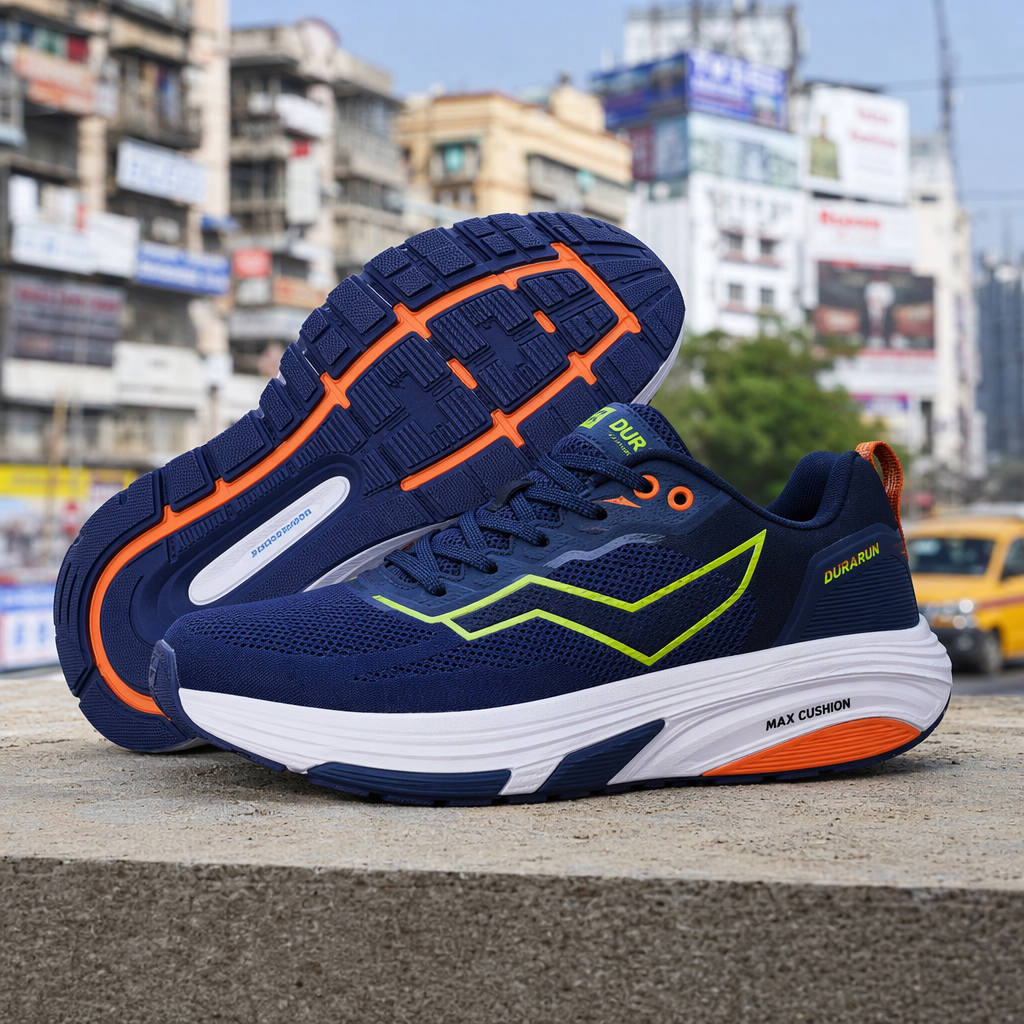
Durability matters a lot when you are heavier because the outsole and midsole take more repeated stress. A shoe that feels fine in the first week may wear out quickly if the rubber is thin or the base is unstable. That is why durable shoes are worth prioritizing.
At the same time, you do not need to buy the most expensive pair for daily training. Some affordable shoes offer enough support and grip for everyday miles. The next sections cover better-value models, brands known for lasting builds, and ways to spot online deals.
Best Budget Running Shoes for Heavy Runners
Yes, there are affordable shoes that work well for heavier runners. The strongest budget example from the compiled data is ASICS Gel Pulse 16. It stands out because it mixes a stable ride, good grip, low weight, and durable outsole performance at a lower price than premium trainers.
That makes it the best budget option in this group. It is especially useful for beginners, easy runs, and daily training where you want value without giving up too much protection. A few premium shoes also appear at discounted prices, which can make them smart buys during sales.
Shoe | Approx. Price Mentioned | Major Features | User-Focused Take |
|---|---|---|---|
ASICS Gel Pulse 16 | $80-$100 | Stable ride, durable AHARPLUS outsole, lightweight trainer | Best budget pick for relaxed daily runs |
Saucony Triumph 23 | From $81 | High shock absorption, strong energy return, broad base | Great value if discounted |
HOKA Bondi 9 | From $140 | Maximum cushioning, wide platform, durable build | Good for comfort-first buyers |
Topo Atmos | From $115 | Wide fit, roomy toe box, stable shoe | Strong choice for wider feet |
Brands Known for Durability in Heavy Weight Runner Shoes
Some brands repeatedly perform well when durability matters. Adidas appears in the outsole wear data with standout results. Brooks also shows strong durability across several models, and ASICS combines reliable rubber with stable construction in budget and support categories. Hoka also earns points for lasting cushioning-focused builds.
This matters because heavy runners often wear shoes unevenly, especially with pronation. A durable outsole and dependable upper can extend usable life and protect value. Even if a model is not marketed as a shoe of the year, long-term wear can matter more than hype.
Brands worth watching include:
Adidas, especially Ultraboost models, for excellent outsole durability.
Brooks, including brooks glycerin and Ghost-type models, for solid long-wear builds.
ASICS and Hoka for dependable daily trainers and support-focused durable shoes.
Where to Find Deals and Discounts Online
If you want the best running shoes at a better price, timing matters. The compiled seller lists show that many of these models appear across Amazon, Zappos, REI, Fleet Feet, Running Warehouse, and brand websites. Prices can vary a lot, especially on last year models.
Online shopping is useful because you can compare colorways, sizes, and width options more quickly. Some premium shoes, such as Saucony Triumph 23, show major discounts in seller listings. That means patient buyers can often get a better trainer without paying full price.
Use these tips to improve your chances:
Compare the same shoe across multiple retailers before buying.
Check if last year versions are discounted but still widely trusted.
Look for seasonal sale events and email sign-up discount codes.
Prioritize stores with easy returns in case the fit is wrong.
Tips and Advice from Experienced Heavy Runners in India
Experienced heavy runners usually keep their advice practical. First, they give extra attention to fit, platform width, and underfoot comfort instead of chasing trends. They also know that a daily trainer should feel reliable on tired legs. If a shoe feels unstable during an easy jog, it will not improve later in the run.
Another common lesson is to protect proper form with the right amount of support. That may mean choosing one of the favorite daily trainers with more cushioning, or a stability option if your ankles roll inward. Many runners also learn that breathability, outsole life, and consistent comfort matter more than flashy features for long-term success.
Real User Reviews on Heavy Weight Runner Shoes
User reviews from heavier runners tend to focus on simple things: comfort after a few miles, whether the shoe stays stable, and how quickly the outsole wears. Across the tested models, positive feedback often matches the lab results. Shoes with wide bases, durable rubber, and strong cushioning usually get the best response.
For daily training, runners often praise pairs that feel protective without becoming clunky. Complaints usually involve narrow toe boxes, weak breathability, or rides that feel dull. This is why reviews are useful. They show how a shoe performs after repeated real-world use, not just during first wear.
Common review themes include:
“Great for easy miles and long runs, very protective underfoot.”
“Stable enough for a heavy runner, especially when tired.”
“Toe box felt too narrow for wider feet.”
“Breathability was not ideal for warm weather running.”
Common Mistakes to Avoid When Buying Shoes
A common mistake is choosing a running shoe based only on softness. Soft does not always mean supportive, and too much sink can create instability. Another error is buying the wrong fit in the hope that it will “break in” after a little bit of use. Usually, it does not.
Many runners also focus only on stack height and ignore platform width. A tall shoe without a stable base can feel awkward for a heavy runner. The same goes for ignoring your gait. If you need guidance, a neutral model may not be the best choice even if it feels fine at first.
Avoid these mistakes:
Do not ignore foot type and pronation.
Do not use extra shoe length to fix width problems.
Do not assume maximum stack height always means better comfort.
Do not overlook breathability if you run in heat often.
Maintenance Tips to Extend Shoe Life
Good shoe care helps extend shoe life, especially when your shoes handle more impact each week. Heavy runners place more stress on rubber and foam, so regular checks matter. Look at outsole wear, upper damage, and any change in underfoot feel. If the shoe starts leaning or flattening badly, it may be time to replace it.
Another smart habit is rotating pairs if possible. That gives the midsole more time to recover between runs. It also helps if you use one pair mainly for daily training and another for walking or gym use. Small habits can keep your shoes feeling better for longer.
To maintain shoes well:
Let them air dry naturally after sweaty runs.
Clean dirt off the outsole so grip stays effective.
Do not store them in very hot places.
Use them for their intended purpose instead of all-day rough wear.
Conclusion
In conclusion, selecting the right running shoes is crucial for heavy weight runners to enhance comfort and performance while minimizing the risk of injury. With expert picks tailored to the unique needs of heavy runners in India, you have a variety of options that focus on cushioning, stability, and durability. Remember to consider essential features like proper sizing, breathability, and support when making your choice. By investing in the right pair of shoes, you are not only improving your running experience but also ensuring your long-term health. Ready to find the perfect pair? Get a free trial to discover which shoes will best suit your running style!
Frequently Asked Questions
Do heavy runners in India need wide-fit running shoes?
Not always, but many do benefit from a wide fit. If your toe box feels cramped or you get side pressure, proper sizing and width matter. A wide platform can also improve stability. The right fit should feel secure at the heel and roomy enough in front for natural toe movement.
Is cushioning or stability more important for heavy weight runners?
Both matter. Cushioning helps with impact absorption, while stability keeps the shoe from feeling wobbly under load. A high stack height helps only when the base is wide enough for a stable ride. For most heavy runners, the best shoe combines protective cushioning with dependable support.
Are there shoes tested specifically for heavy runners in India?
Yes. The compiled information is based on shoes tested with heavier runners in mind, using measures like durability, shock absorption, width, and stability. That makes it easier to identify the best running shoes for a heavy runner. User reviews then add real-world insight on comfort and long-term wear.
Where to Buy Heavy Weight Runner Shoes Online in India
For online shopping, compare listings across major marketplaces and brand stores that show size charts, return policies, and width details. Look for running shoe deals on older versions, sign-up discount codes, and models with a wide base if stability is a priority. Always double-check fit information before ordering.