Are Running Shoes Good for Walking? A Comprehensive Guide
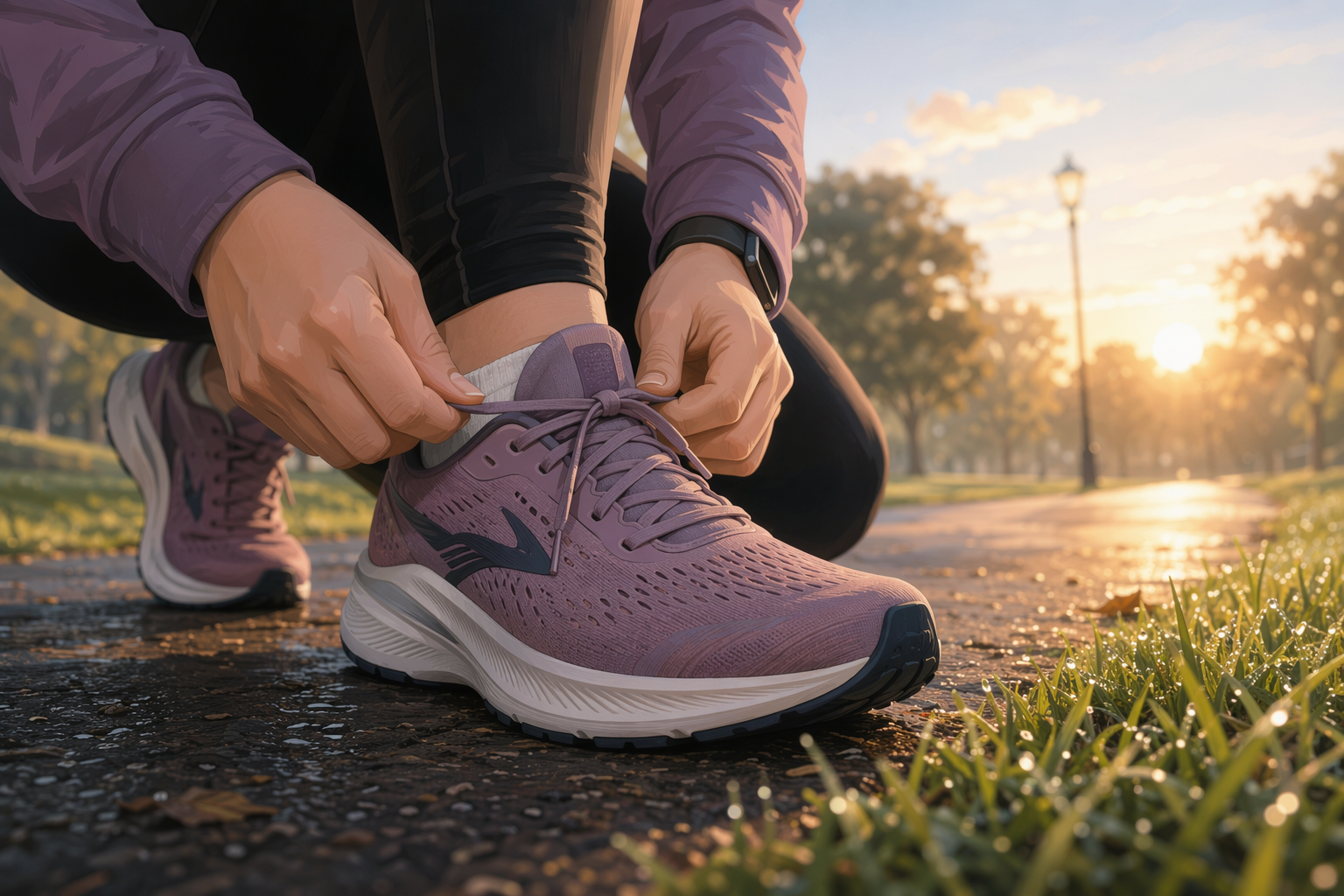
Key Highlights
Running shoes can work well for walking, especially on hard surfaces and for longer distances.
The main key differences between running shoes and walking shoes involve shock absorption, heel drop, flexibility, and arch support.
For many people, modern running shoes are an excellent choice for everyday use and foot health.
Still, the wrong type of shoe can affect walking motion and raise injury risk.
Your best option depends on fit, comfort, support, and how often you walk.
Introduction
If you have ever looked at your running shoes and wondered whether they are good enough for a daily walk, the short answer is yes. In many cases, they are. Running shoes and walking shoes both support forward motion, but they are built with different priorities. That is why proper footwear still matters. The right pair can improve comfort, support your gait cycle, and help you avoid foot problems during short walks, long distances, or everyday use.
Understanding Running Shoes and Walking Shoes
At first glance, running shoes and walking shoes can look similar. Both are made for repeated forward motion, comfort, and support. Yet each type of shoe uses shoe technology in a slightly different way.
The main differences come down to how your foot hits the ground and rolls through each step. Running shoes usually focus more on impact control, while walking shoes are shaped around the slower heel-to-toe walking motion. Those small changes can make a significant difference to foot health. Let’s take a closer look at each one.
What Defines a Running Shoe?
Running shoes are built to handle higher impact. When you run, your feet strike the ground with much more force than during walking, sometimes up to three times your body weight. Because of that, running shoes usually include extra cushioning and stronger shock absorption to protect joints and support forward motion.
A lot of modern running shoes also use advanced shoe technology. You will often see thick soles, lightweight materials, breathable uppers, and foam midsoles that create a comfortable ride. Many models are designed to feel light while still giving proper support over longer distances.
Another feature is heel drop, also called toe drop or heel-to-toe offset. Running shoes often have a lower drop than traditional walking shoes, usually around 4 to 8 mm in the compiled information. This can encourage a more natural stride and smooth transitions.
What Makes a Walking Shoe Different?
Walking shoes are designed around the walking motion, which is slower and keeps the foot on the ground longer. That is why they often feel more flexible through the sole. They are made to support a clear heel-to-toe roll and natural toe motion as you move through each step.
In many cases, walking shoes have less cushioning than running shoes because walking creates less impact. Even so, they still need enough padding for comfort on hard surfaces. Some designs place more emphasis on heel comfort since walkers usually spend more time landing on the heel.
You may also notice differences in arch support and shape. Walking shoes often have flatter soles, while running shoes may have a more curved or angled heel. A walking shoe aims to balance flexibility, traction, and support for daily miles without overbuilding the shoe.
Why Shoe Choice Matters for Foot Health
Your shoe choice affects more than comfort. It plays a direct role in foot health, body alignment, and injury prevention. If a shoe fits well and supports your movement, it can reduce fatigue and help you feel better during and after a walk.
On the other hand, poor proper footwear can lead to foot problems. The compiled information notes that the right features matter more than the label on the shoe. If your feet, knees, lower back, or legs hurt after walking, that is a sign your current pair may not be giving proper support.
This matters even more if you deal with flat feet, high arches, or plantar fasciitis. Running shoes are not automatically bad for walking, but the wrong fit or structure can increase discomfort. Healthy feet usually do best in shoes that match your foot shape, pace, and walking needs.
Key Differences Between Running Shoes and Walking Shoes
.png)
So what are the key differences between running shoes and walking shoes? Most of them come down to cushioning, toe drop, flexibility, and where support is placed. Running shoes are made for greater impact, while walking shoes are tuned for a smoother heel-to-toe pattern.
You may also notice differences in arch support, sole shape, and wear pattern. These details can influence how the shoe feels during daily use. The next sections break down each feature so you can compare them more clearly.
Cushioning and Shock Absorption
Cushioning is one of the easiest differences to feel. Running shoes usually have more shock absorption because running creates much more force than walking. That extra cushioning helps reduce stress on joints and can make long outings on hard surfaces feel easier.
Walking shoes still provide comfort, but they often use less cushioning because walking is a lower-impact activity. Some people prefer that firmer feel because it keeps them more connected to the ground. Others like plush cushioning, especially for longer distances or sensitive feet.
Key points to remember:
Running shoes often use extra cushioning to handle repeated impact.
Walking shoes usually have enough padding for comfort, but not always the same plush cushioning.
Your best choice depends on distance, pace, and how much softness feels right underfoot.
Heel Drop and Support
Heel drop refers to the height difference between the heel and the front of the shoe. It is also called toe drop or heel-to-toe offset. In the compiled information, running shoes often fall in the 4 to 8 mm range, while traditional walking shoes tend to be closer to 8 to 12 mm.
That difference changes how the shoe supports movement. A lower drop can encourage a more natural stride and forward momentum. A higher drop can feel more comfortable for walkers who spend more time landing on the heel and rolling forward.
Feature | Running Shoes | Traditional Walking Shoes |
|---|---|---|
Typical heel drop | Usually 4-8 mm | Usually 8-12 mm |
Main purpose | Support faster forward motion | Support heel-to-toe walking |
Feel underfoot | Often promotes smooth transitions | Often emphasizes heel comfort |
Support focus | Balanced for impact and motion | More heel-focused for walking |
Flexibility and Sole Structure
Flexibility changes how natural a shoe feels during walking. Walking shoes are often built to flex more easily because walkers stay in contact with the ground longer. That softer movement can support the ball of the foot and make the gait cycle feel smoother.
Running shoes may be a bit stiffer in some areas because they are designed to help with propulsion and repeated impact. Their sole structure often includes thick soles, foam midsoles, and other shoe technology meant to balance cushioning and stability features.
Still, not every runner or walker wants the same feel. Some people enjoy a firmer base, while others want a shoe that bends more freely. If your walk feels awkward at push-off or around the front of the shoe, flexibility could be the reason. That is why comfort testing matters.
Benefits of Using Running Shoes for Walking
.png)
For many people, running shoes are an excellent choice for walking. They can feel comfortable, light, and protective, especially on pavement or during longer distances. If your pair supports your walking motion well, there is usually no issue using them every day.
They can also be practical. Instead of buying separate walking shoes, some people prefer one versatile option for errands, exercise, and everyday use. The real benefits become clearer when you look at comfort, performance, and daily wear.
Enhanced Comfort for Long Walks
One major benefit of running shoes is comfort over long distances. Because they are built to absorb repeated impact, they often feel softer and more protective than regular shoes during extended walks. This can be especially helpful on sidewalks, tracks, and other hard surfaces.
That extra softness may also help people who want more underfoot relief. The compiled information points out that people with knee issues, arthritis, or a need for maximum cushioning often appreciate running shoes. The same can be true for walkers managing plantar fasciitis or general foot fatigue.
Walking shoes can also be comfortable, of course. Still, if your current walking routine involves daily miles or brisk movement, running shoes may feel better from the first step to the last. The best test is simple: do your feet feel supported and less tired afterward?
Improved Performance and Versatility
Running shoes can improve performance for walkers who move quickly or cover a lot of ground. Since they are designed for repeated forward motion and impact, they can feel efficient when your pace increases. Faster walking starts to resemble running mechanics, so those features become more useful.
Another reason people choose them is versatility. A single pair can work for a morning walk, casual wear, light exercise, or a spontaneous jog. If you want one pair of shoes for different parts of your day, that flexibility is hard to ignore.
They can also help reduce fatigue. Lightweight materials, breathable uppers, and cushioning designed to handle body weight all support smooth transitions. You may not need separate walking shoes unless your feet have very specific needs or your daily walking routine is unusually demanding.
Fashion and Everyday Use
Running shoes are no longer limited to workouts. Many people wear them for everyday use because they combine comfort with a casual look. Today’s styles fit easily into daily life, whether you are commuting, shopping, traveling, or spending hours on your feet.
That makes them useful beyond exercise. The compiled information explains that running shoes often transition well from a morning walk to errands and casual activities. If you like keeping things simple, one shoe that does several jobs can save time and reduce clutter.
Of course, style is not enough on its own. You still need a secure fit, enough room for your toes, and a comfortable fit through the heel and midfoot. If a pair looks good and supports your feet all day, it can be a smart everyday option.
Potential Drawbacks of Walking in Running Shoes
.png)
Running shoes can work well for walking, but they are not perfect for everyone. The wrong model may feel too stiff, too soft, or shaped in a way that does not suit your natural walking pattern. That can affect foot health over time.
There are also cases where dedicated walking shoes make more sense. If you already have foot problems, notice discomfort, or see an unusual wear pattern, your injury risk may increase. Let’s look at the main drawbacks and when to be cautious.
Impact on Foot Alignment and Health
Shoes influence foot alignment with every step. If a running shoe does not match your walking motion, the result may be discomfort in the feet, legs, knees, or lower back. That does not mean running shoes are bad, but it does mean fit and structure matter.
Some models are designed more for propulsion than for a slower heel-to-toe roll. If that shape does not suit you, your gait can feel off. Over time, that may affect foot health and increase injury risk, especially if you walk a lot each day.
This is worth watching if you already deal with plantar fasciitis, flat feet, or other foot problems. The compiled information makes a useful point: your body is the best guide. If you feel pain during or after walking, your current shoes may not be the right match.
Durability Concerns with Frequent Walking
Using one pair for everything can be convenient, but there is a tradeoff. Running shoes wear down with total use, whether those miles come from running, walking, or all-day wear. Frequent walking can compress the foam sooner and shorten durability.
The compiled information suggests most shoes last around 300 to 500 miles. So if you use running shoes for exercise and daily errands, they may need replacing sooner than expected. That is one reason some people prefer separate walking shoes and running shoes.
A few practical signs to watch:
The wear pattern looks uneven around the heel or forefoot.
The cushioning feels flat even if the upper still looks fine.
You notice less comfort during frequent walking than before.
When to Avoid Running Shoes for Walking
There are times when it makes sense to avoid using running shoes for walking. If your walks are short and easy, almost any comfortable sneaker may work, but if a running shoe feels awkward, unstable, or overly stiff, it may not be your best option.
You should also be careful if you have ongoing foot problems or pain that shows up after walking. In that case, dedicated walking shoes may suit your needs better. A physical therapist or footwear specialist may also suggest different support depending on your gait and foot shape.
Some people recommend separate shoes because running and walking create different wear patterns and slightly different support needs. That does not mean everyone needs two pairs. It simply means the right choice depends on comfort, use, and how your body responds.
How to Choose Running Shoes Suitable for Walking
.png)
Choosing the right shoe for walking starts with your own routine. Think about distance, pace, surface, and whether you need a pair of shoes for exercise only or for all-day use. Your walking needs should guide the decision, not just the label on the box.
A good pair should feel supportive, breathable, and comfortable from heel strike to toe-off. Walking shoe recommendations can help, but your own fit matters most. The next sections explain what to look for, how to assess your habits, and which well-known models stand out.
Important Features to Look For
When choosing running shoes for walking, focus on comfort and function first. The compiled information highlights cushioning, fit, flexibility, breathability, and support as the features that matter most. You want a shoe that works with your natural stride, not against it.
Proper support is especially important if you walk often. Look for enough arch support to keep your feet comfortable, plus a secure heel and room for your toes to spread. Heel drop matters too, since it changes how the shoe feels during heel strike and roll-through.
Useful key features include:
Cushioning that protects without feeling unstable
Arch support that matches your foot shape
Shoe technology that keeps the shoe light, breathable, and comfortable
Identifying Your Walking Needs
Start by looking at where and how you walk. Are you mostly on hard surfaces like sidewalks and city streets? Do you cover long distances, or are your walks brief and casual? These details help you decide how much cushioning and support you actually need.
Surface matters too. Road-focused running shoes usually work best on pavement, while trail shoes can be useful on uneven terrain, gravel, or wet conditions. Trail shoes offer grip and protection, but they may feel heavy or awkward on flat indoor floors or smooth sidewalks.
Your feet also give useful feedback. If you finish walks with no pain, no hotspots, and no unusual fatigue, your shoes are likely doing their job. Healthy feet usually feel supported, stable, and comfortable during the walk and afterward. That is the clearest test of all.
Popular Running Shoe Models in India for Walking
Some well-known running shoes are often considered by walkers because they are linked with cushioning and comfort. From the provided terms, names like Hoka Clifton, Brooks Ghost Max, and Hoka Bondi stand out as examples people may look at when choosing a new pair for walking.
The compiled information does not provide technical specs for these specific models, so the safest approach is to compare them by the same basics: cushioning, fit, support, and how they feel on your usual route. That matters more than the model name alone.
Model | What to assess for walking |
|---|---|
Hoka Clifton | Check comfort, lighter feel, and daily walking support |
Brooks Ghost Max | Check cushioning, stability feel, and smooth step-through |
Hoka Bondi | Check maximum softness, fit, and comfort on long walks |
Conclusion
In conclusion, choosing the right shoes can significantly impact your walking experience. While running shoes offer excellent comfort and support, they may not always be the best option for every individual’s walking needs. It is essential to consider factors such as cushioning, foot alignment, and durability when deciding whether to use running shoes for walking. Keep in mind the potential drawbacks, and be mindful of how your body responds to different footwear. By making an informed choice and understanding your unique requirements, you can enhance your walking routine and enjoy the benefits of every step. If you're unsure what’s best for you, reach out for a consultation to explore the best options tailored to your needs!
Frequently Asked Questions
Is it okay to use running shoes for walking every day?
Yes, for many people, running shoes are fine for everyday use and walking. If the pair of shoes feels comfortable, supportive, and does not cause pain, they can support foot health well. Still, some walking shoes may feel better if your walking style or foot shape needs something more specific.
Will my running shoes wear out faster if I walk in them?
They can wear out faster if you use them for everything, especially with frequent walking and all-day wear. The total mileage and wear pattern matter more than the activity label. Running shoes and walking shoes both lose cushioning over time, so durability depends on how often you use them.