How to Pick the Right Nike vs Adidas Running Shoes
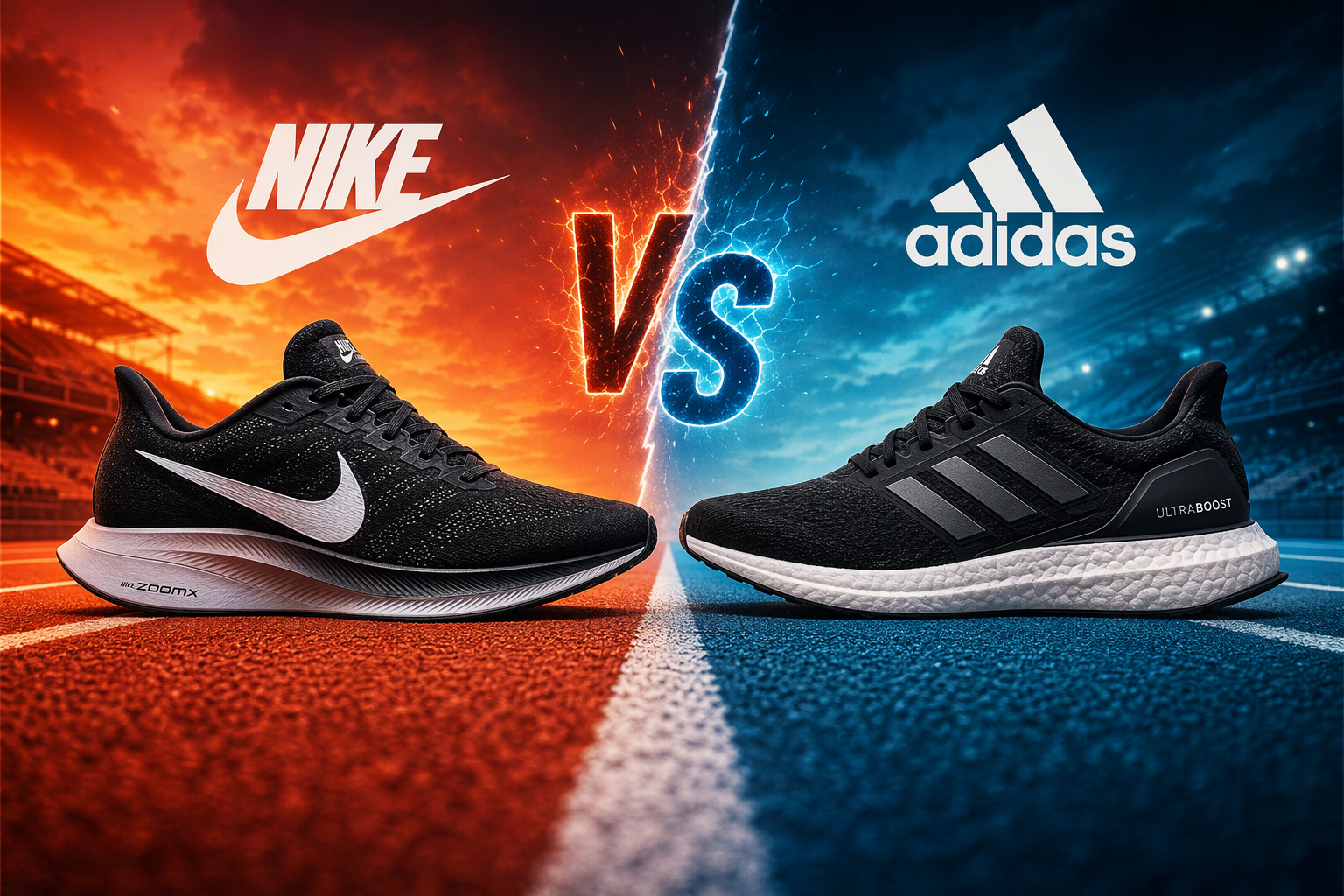
Key Highlights
Nike often feels narrower, while Adidas usually gives you a roomier running shoe fit.
The Nike Pegasus is a trusted daily trainer with balanced cushioning and steady energy return.
Adidas Supernova Rise offers comfort-first cushioning with a smoother, more relaxed ride.
Durability is strong on both sides, though Adidas highlights durable outsole materials in several models.
Nike leans secure and speed-focused; Adidas often feels more forgiving on long runs.
Style matters too, with Nike’s sleek look and Adidas stripes attracting different runners.
Introduction
In the running world, choosing between Nike and Adidas can feel harder than picking your next race day goal. Both brands make excellent new shoes for beginners and experienced runners, but they do not feel the same on foot. Nike often suits runners who want a snug, secure ride, while Adidas can work well if you prefer a bit more room and comfort over longer efforts. If you are new, the right choice depends more on fit, feel, and purpose than the logo.
Understanding Nike vs Adidas Running Shoes: Key Differences
Nike and Adidas both lead the running shoe market, but they approach fit and ride differently. Nike models usually run narrower, especially through the heel and midfoot, which can create a more locked-in feel. Adidas shoes tend to follow a more neutral shape with extra space in the upper.
That difference matters when you choose comfort, support, and use case. Nike often pushes speed and a snug sensation, while Adidas usually balances comfort and performance. Both brands also keep updating shoes through frequent model changes, so each new iteration may slightly improve feel, efficiency, or carbon footprint goals through newer materials.
Technology and Innovation in Nike Running Shoes
Nike builds many of its popular shoes around a secure fit and a ride that feels controlled at faster paces. If your stride feels best in a shoe that hugs the heel and midfoot, Nike may stand out quickly. That locked-in shape can help when turning corners or pushing pace.
The Pegasus is the clearest example of Nike’s everyday approach. It is not built to shock you with raw speed, but it gives you a reliable blend of comfort, balanced foam, and enough responsiveness for regular training. As a daily option, it stays easy to trust.
For higher-intensity efforts, Nike also uses designs with a carbon plate and energetic midsoles. The Zoom Fly line shows this well. Even with more weight, the plate and foam combination aims to improve energy return and keep your stride moving efficiently through hard sessions and longer runs.
Technology and Innovation in Adidas Running Shoes
Adidas often builds its running shoes with a more relaxed fit and a comfort-led feel. That approach can help on long efforts, especially if you dislike pressure around the midfoot or upper. Many runners notice that Adidas sizing feels more consistent straight out of the box.
The adidas supernova rise shows how the brand has shifted. Earlier versions in the line leaned a bit more toward speed, but this iteration moves closer to all-around comfort. Its Dreamstrike+ foam is designed less for aggressive propulsion and more for a smooth, balanced sensation underfoot.
At the performance end, Adidas also has strong energy return options through advanced cushioning and race-focused construction. Its race models use carbon-based propulsion ideas too, but the brand often pairs that speed with a roomier fit. If you like comfort and the familiar stripes, Adidas can feel easier over distance.
Factors to Consider Before Choosing Your Running Shoes
.png)
Before you buy any running shoe, think about how your foot type and stride interact with the shape of the shoe. A snug heel may feel supportive for one runner but restrictive for another. You also need to consider how much room you want through the upper.
Then look at durability, support, and ventilation. If you run often, a shoe that stays comfortable over time matters more than flashy details. Value for money usually comes from getting the right fit and function for your training, not simply choosing Nike or Adidas by name. The next sections break those points down more clearly.
Comfort, Fit, and Sizing for Indian Runners
Fit is usually the first thing you will notice. Nike shoes often feel narrower, especially around the heel and midfoot, and some runners find they come up a bit small. If you are between sizes, trying a half size up can make sense.
Adidas generally offers more wiggle room in the upper and follows more accurate sizing. That can be useful if you cannot try shoes on in person. A roomier fit may also help on longer sessions, where swelling can make a tight shoe uncomfortable.
Comfort depends on what your stride prefers. Some runners love a secure, lightweight feel that keeps the foot locked down. Others want less pressure and more natural movement. For beginners, models like the Pegasus and Supernova Rise are often easier starting points because they focus on everyday comfort rather than extreme speed.
Durability, Cushioning, and Support Features
When you compare durability, both brands perform well, but the feel underfoot differs. Nike often pairs cushioned foam with a more secure platform, while Adidas also highlights durable outsole compounds in several models. That can make Adidas appealing if long-term wear is high on your list.
Cushioning is not just about softness. Nike’s daily and speed shoes often mix comfort with a more responsive ride, while Adidas tends to offer smoother, more relaxed cushioning in models like the Supernova Rise. On longer runs, that comfort-first feel can reduce irritation for some runners.
Support also comes from shape and structure, not only from firm materials. A narrow Nike heel and midfoot may feel better for some runners needing a held-in sensation. Adidas may feel kinder if you want less pressure. In faster models, a carbon plate can add propulsion, but it is not necessary for daily support.
Beginner’s Guide: How to Pick the Right Nike or Adidas Running Shoes
.png)
If you are buying your first proper running shoe, start simple. Do not shop like you are preparing for race day unless that is your actual goal. Most beginners need new shoes that feel steady, comfortable, and easy to use several times a week.
That is why a daily trainer is usually the smartest pick. Nike and Adidas both offer solid beginner-friendly options, but neither brand is automatically better for everyone. Your best choice is the pair that matches your foot shape, comfort needs, and running plans. Let’s look at what you should check before spending your money.
What You’ll Need to Get Started (Budget, Gait Analysis, Foot Type)
Start with the basics before comparing logos. A good shoe choice comes from understanding your foot type, how your stride works, and how much cushioning or support you actually need. That matters more than buying the fastest-looking pair on the shelf.
You should also be realistic about budget. Nike and Adidas both offer premium shoes, but they also have lower-priced options that still perform well. Older versions can be especially useful if you want value without giving up reliability.
Here is a simple checklist:
Set a clear budget before looking at premium models.
Learn whether your foot type prefers a snug or roomier fit.
Use gait analysis if possible to understand your stride pattern.
Decide if you want soft cushioning, balanced comfort, or firmer support.
Match the shoe to training needs before thinking about race-level features.
Step-by-Step Process for Selecting Your Ideal Running Shoe
.png)
Picking the right running shoe gets easier when you follow a simple process. Instead of guessing between the Pegasus and an Adidas option, first decide what you need from the ride, fit, and purpose. That helps you focus on feel, not hype.
You should also compare current models with an older iteration when possible. Since both brands update shoes often, last year’s version may still offer comfort and energy return at a lower price. That can improve value for money. Start with goals, then compare models, test fit, and finally judge long-term worth.
Step 1: Identify Your Running Goals and Foot Type
First, be honest about your running goals. Are you building fitness, training a few times a week, or planning for faster sessions later? A beginner who wants steady mileage needs something different from a runner chasing speed from day one.
Next, think about your foot type and how your stride behaves in motion. If you prefer a close, held-in feel, Nike may suit you better. If your foot likes extra room and a less restrictive upper, Adidas could feel more natural.
Support should match your body, not trends. A shoe that works well for one runner can feel awkward for another. The best performance usually comes from a pair that helps your stride stay comfortable and repeatable, especially over regular training rather than short store try-ons.
Step 2: Compare Popular Nike and Adidas Models for Beginners
Now compare shoes that serve a similar purpose. For most new runners, a daily trainer makes the most sense because it can handle easy runs, longer efforts, and general use. That is where Nike and Adidas offer their most approachable options.
The Pegasus is one of the best-known shoes in the category and has gone through many versions. It is dependable, balanced, and easy to recommend. The adidas supernova rise is a newer comfort-focused option that gives a smoother feel and more room through the upper.
Model | Best For | Key Feel | Fit Notes | Durability View |
|---|---|---|---|---|
Nike Pegasus | Daily trainer use | Cushioned and responsive | Narrower, secure fit | Reliable everyday wear |
Adidas Supernova Rise | Beginner comfort | Balanced and smooth | Roomier upper | Strong daily use potential |
Nike Winflo 10 | Budget option | Smooth and accommodating | Easier fit than some Nike models | Good value choice |
Adidas Adizero SL | Budget speed lean | Stiffer and livelier | Similar overall fit | Built for solid training use |
Step 3: Test for Fit, Comfort, and Performance
Trying shoes on matters because small differences can change the whole experience. A model may look great online, but your fit and comfort decide whether it will work for daily running. Pay attention to heel hold, toe room, and how naturally the shoe moves with your stride.
Take a few steps and notice the feel. Does the shoe seem too tight through the midfoot? Does it feel smooth or awkward when you roll forward? A lightweight upper can help, but only if the shoe still feels stable and secure.
Check these points:
Make sure the fit feels secure without painful pressure.
Notice whether the cushioning feels smooth through your stride.
Test if the shoe feels lightweight enough for your comfort.
Compare responsiveness by walking or jogging briefly in both brands.
Step 4: Assess Value for Money and Brand Reputation
Price matters, but value for money is about what you get over time. A cheaper shoe is not better if it does not fit well or stops feeling good after a few runs. Nike and Adidas both make dependable options across a variety of sports, and that broad experience strengthens their brand reputation.
You should also think about durability and whether the shoe matches your actual training. For example, paying more for a plated model makes little sense if you mostly need a steady everyday shoe. In many cases, a well-priced daily trainer gives better long-term value.
Some runners also care about material choices and carbon footprint direction. While the details vary by model, both brands keep evolving their product lines. If you weigh performance, comfort, and lifespan together, value becomes much easier to judge than by price alone.
Comparing Popular Nike and Adidas Running Shoe Lines in India
.png)
When you compare Nike and Adidas lines, you will see that both brands cover nearly every type of running shoe. They serve daily miles, budget training, speed sessions, and race needs, which is one reason both stay so strong across a variety of sports.
Nike has the well-known Pegasus line, while Adidas answers with shoes like the Supernova Rise and Adizero family. So the choice is not just about the swoosh or the stripes. It is about which line fits your running needs and how each model feels on your foot. Here are the standout beginner-focused options.
Best Nike Running Shoes for New Runners
For new runners, the Pegasus remains Nike’s easiest recommendation. It is a classic daily trainer that balances comfort and responsiveness without feeling extreme in any direction. That makes it easier to trust when you are still learning what kind of ride you prefer.
Its upper is comfortable, and its overall weight stays in a useful middle ground. You are not getting an overly soft shoe or a harsh one. Instead, you get a balanced experience that works for easy runs, longer efforts, and regular weekly use.
If budget matters, the Winflo 10 is also worth considering. It offers a smoother ride and a more accommodating fit than some runners expect from Nike. For beginners who want decent support, practical ventilation, and a less intimidating entry point, it can be a strong option.
Top Adidas Running Shoes for Beginners
Adidas gives beginners a strong starting point with the adidas supernova rise. This shoe focuses on comfort and balance, making it suitable for runners who want an easy, less aggressive feel underfoot. If tight shoes bother you, this model may feel friendlier from the start.
Its Dreamstrike+ cushioning is designed to keep the ride smooth rather than overly springy. That can help new runners settle into training without fighting the shoe. The current iteration also reflects Adidas moving this line closer to all-around daily use instead of a more speed-leaning feel.
Another choice is the Adizero SL if you want something more lively at a lower price. It is stiffer and less relaxed than the Supernova Rise, so it suits runners who like a firmer sensation. Adidas also carries strong durability credibility, backed by practical construction beneath the familiar stripes.
Style and Design: Which Brand Appeals More to Indian Runners?
.png)
Style matters because you are more likely to wear shoes you enjoy looking at. Nike often leans sleek and sporty, while Adidas usually mixes performance with a clean, versatile look. Your visual appeal preference may be just as personal as how the shoe feels around the midfoot.
Some runners love the iconic stripes, while others prefer the familiar shape of a Pegasus. Neither brand wins for everyone. If design influences your buying decision, compare both on foot and in hand. The next two sections look at color choices and why brand image also shapes runner preferences.
Visual Appeal and Color Choices
Design can influence confidence more than many runners admit. Nike often gives off a sharper, race-ready impression, while Adidas frequently blends athletic styling with an everyday wearable look. That difference can shape which pair feels right for your routine.
Color choices also play a big role. Since both brands release frequent updates, each iteration may arrive with fresh looks even when the core model stays familiar. If you care about matching gear or using your shoes beyond running, that variety can matter.
Things many runners notice include:
Nike often looks sleeker and more speed-focused.
Adidas usually offers a cleaner, more relaxed design identity.
Ventilation details can also affect visual appeal, especially with mesh uppers.
New color choices in each iteration may make an older model feel fresh again.
Brand Popularity and Trends Among Indian Athletes
Nike and Adidas both have huge brand popularity because they perform well across a variety of sports, not just running. That broad visibility helps each brand stay aspirational for new buyers. Many runners choose one first because they already know the name from other sports.
In running specifically, Nike has strong recognition through famous race shoes and long-standing training models. Adidas remains highly respected too, especially with runners who value comfort, consistent sizing, and practical long-distance feel. Popularity, then, is not a simple one-brand answer.
Trend cycles also affect what people notice at stores and online. A major race result can boost Nike attention, while a comfort-focused release can lift Adidas interest. For most runners, though, the smarter move is to treat trend as background noise and focus on what actually fits.
Conclusion
In conclusion, choosing the right running shoes between Nike and Adidas comes down to individual preferences and specific needs. Both brands offer innovative technologies, comfort, and style, but understanding the key differences can help you make an informed decision. Remember to consider factors like fit, durability, and your running goals to find the perfect pair. As you embark on your running journey, don’t hesitate to try on different models and assess what feels best for you. By taking the time to evaluate your options, you'll set yourself up for a more enjoyable and effective running experience. If you're still uncertain about which shoe to choose, reach out for a free consultation to find the best fit tailored to your needs!
Frequently Asked Questions
Are Adidas running shoes more durable than Nike?
Adidas and Nike both offer strong durability, so there is no blanket winner. Adidas does highlight durable outsole materials in some models, which may appeal to heavy users. Still, the right running shoe depends on fit and use. Durability and carbon footprint goals can also vary by model, not just brand.
Do Nike or Adidas offer better support for flat feet?
Support for flat feet depends on how the shoe shape works with your foot. A Nike running shoe may feel better if you want a snug heel and midfoot hold. Adidas may suit you if you prefer less pressure. Cushioning and foam feel matter, but fit usually matters more.
Which brand provides better cushioning for long-distance runs?
For a long run, Adidas may feel more comfortable if you want softer, roomier cushioning. Nike often feels more responsive and secure. The better choice depends on whether you prefer relaxed foam comfort or a firmer sense of energy return and pace-friendly responsiveness over distance.
Which is better for beginners: Nike or Adidas running shoes?
For beginners, neither Nike nor Adidas is automatically better. A daily trainer from either brand can work well if it matches your stride and foot shape. Choose Nike if you like a snugger fit. Choose Adidas if you want more room and a smoother, easier feel.