What is Road vs Trail Running Shoes: Key Differences Explained
Key Highlights
Running shoes work best when matched to the type of terrain you usually cover.
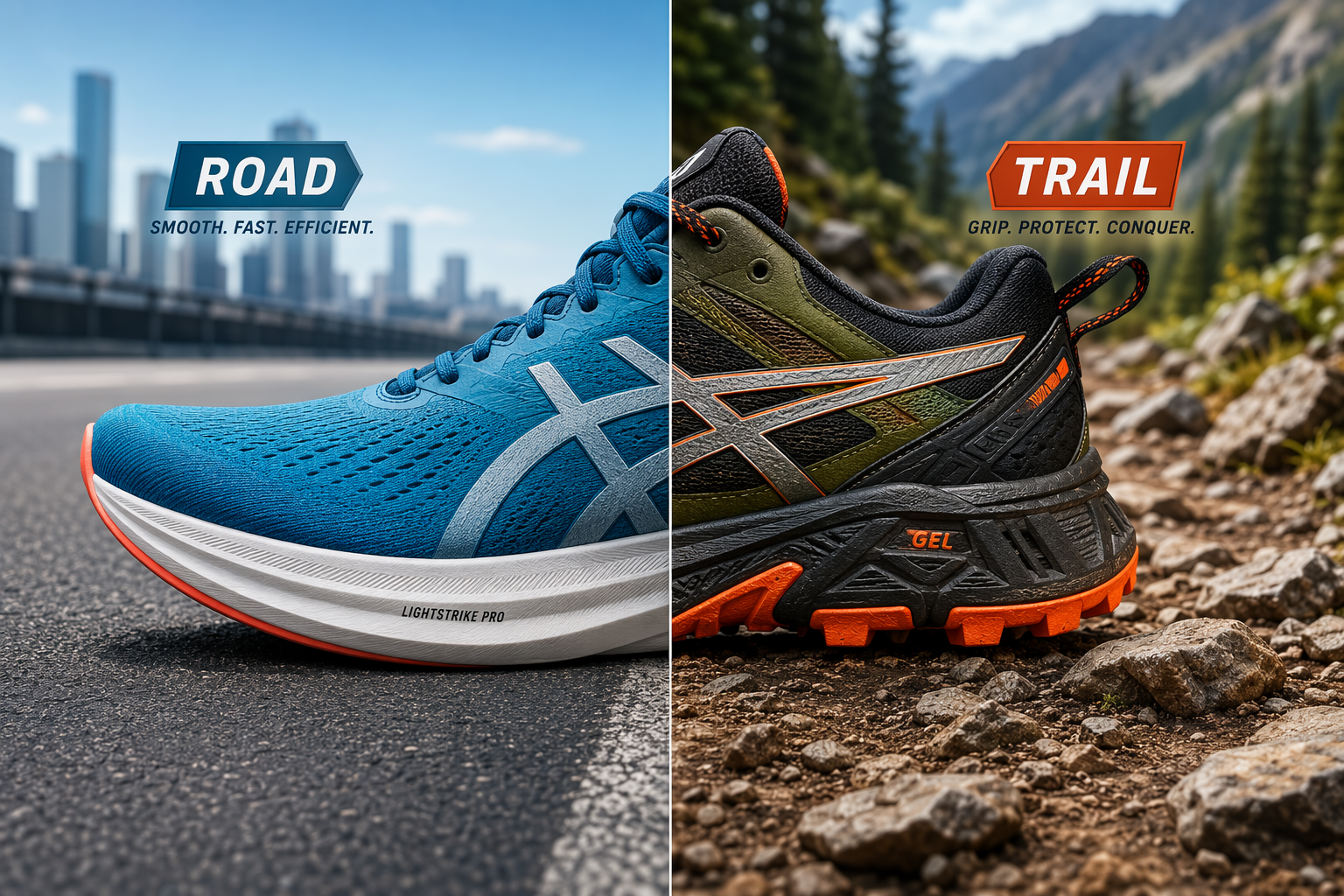
Road shoes are built for pavement and other hard, smoother surfaces.
Trail shoes are designed for uneven terrain, loose dirt, and rugged trails.
Trail shoes usually add better traction, tougher uppers, and more foot protection.
Road shoes focus more on comfort, lighter weight, and shock absorption.
Choosing between road shoes and trail shoes depends on where and how you run.
Introduction
Picking between running shoes can feel confusing at first, especially when trail running shoes and road running shoes may look similar on the shelf. Still, they are made for different jobs. One pair helps you move comfortably on pavement, while the other is built for dirt, rocks, and uneven ground. If you want a smoother run, better grip, and fewer problems with wear, it helps to know what sets these shoes apart before you buy your next pair.
Understanding Road and Trail Running Shoes
At a basic level, the main differences between road running shoes and trail running shoes come down to surface, grip, and protection. Running shoes made for roads are tuned for smooth ground, while trail runners are built to handle dirt, rocks, and changing footing.
Your road shoes usually suit everyday pavement miles and other predictable types of runs. Trail models are better when your running style takes you onto rough paths, singletrack, or wet ground. The sections below break down how each one works and when each choice makes more sense.
Overview of Road Running Shoes
Road running shoes are made for hard surfaces such as concrete and asphalt. Their job is to help you stay comfortable over miles of pavement by softening repeated impact. That is why they often feel smoother and more flexible underfoot than trail models.
In many cases, they work best on smoother terrain where you do not need aggressive tread or extra protection from sharp objects. Cushioning in road running shoes tends to be softer, which supports shock absorption during longer runs on manmade ground. Many pairs also use lighter weight materials to keep the ride easy.
So how do you decide whether you need road or trail running shoes? Start with your usual route and running style. If most of your miles happen on pavement, sidewalks, or other hard surfaces, road running shoes are usually the better fit.
Overview of Trail Running Shoes
Trail running shoes are built for off-road miles where the ground is less predictable. If you run on rugged terrain, muddy trails, or uneven trail surfaces, these shoes help you stay more secure and protected. Their design is meant to handle conditions that would quickly challenge a road shoe.
A key reason runners choose trail running shoes instead of road running shoes is better traction. Many models use sturdier rubber and deep lugs for grip on loose dirt, wet conditions, and tight turns. Some also include rock plates made from plastic or carbon fiber to help block sharp rocks from pushing into the bottom of the shoe.
They also tend to have tougher uppers and a snug fit through the midfoot. That combination helps on technical terrain, especially when footing changes fast or the trail becomes steep, rocky, or slick.
Key Differences in Materials and Construction
The biggest differences in materials and construction show up in the upper, midsole, and outsole. Trail running shoes use more protective features because they face rough terrain, water, debris, and abrasion. Road running shoes usually trim weight and focus on comfort over repeated pavement impact.
Soles differ in a clear way too. Trail models often use sturdier rubber, deeper tread, and sometimes rock plates for underfoot protection. Road running shoes usually have smoother outsoles with lighter materials. Next, let’s look closer at the upper design and the tread under your feet.
Upper Design and Breathability
The upper design often tells you a lot about what a shoe is meant to do. In road models, the uppers of shoes are usually built to feel lighter and more open. Trail pairs often trade some openness for protection and durability, especially when branches, rocks, and mud are part of the run.
If you are wondering what features to look for in trail running shoes, start here:
Breathable materials that still hold up on rugged trails.
Synthetic overlays to reduce rips, tears, and pokes.
Waterproof linings if you often run in wet conditions.
A snug fit through the midfoot, with room in the forefoot.
That last point matters. A secure midfoot helps keep the shoe in place on uneven terrain, while a wider forefoot gives your toes space to spread and grip when climbing or descending.
Sole Structure and Tread Patterns
When people compare these shoes, the sole structure is usually the easiest place to spot the difference. Trail shoes are made to bite into softer ground and stay steady over rough patches. Road shoes are shaped for smoother contact with pavement and a more fluid feel.
Here is a simple text table that shows how tread patterns and underfoot design change by use:
Feature | Trail Running Shoes | Road Running Shoes |
|---|---|---|
Outsole rubber | Sturdier rubber | Lighter weight blown rubber |
Tread patterns | Deep lugs for dirt and mud | Smoother tread for pavement |
Grip goal | Better traction on uneven surfaces | Good grip on hard pavement |
Underfoot protection | May include rock plates | No rock plate |
Ride feel | Firmer, more secure | Smoother and softer |
Stack height is not the main difference described here. The bigger point is that trail soles aim for better traction and protection, while road soles aim for comfort and efficient contact on flat ground.
Choosing the Right Shoe for Different Terrains
Choosing the right running shoe starts with an honest look at where you run most often. The type of terrain matters more than appearance. If your routes are mostly pavement, road shoes usually give you the smooth ride you want over daily miles.
If your running style includes dirt, rocks, roots, or narrow paths, trail shoes are usually the smarter option because they help with stable footing. You do not need to overthink it. Match the shoe to the ground, and the choice becomes much clearer in the two common situations below.
Running on Pavement vs. Dirt Paths
Road shoes are the clear match for pavement. They are built for comfort on concrete, asphalt, and other hard surfaces where aggressive tread is not needed. Their softer feel and smoother outsole help make daily road running more comfortable.
You can wear road running shoes on some easy dirt paths, especially if the surface is wide, soft, and hard-packed. But that does not mean they are ideal for all trails. Once the path gets rougher, road shoes may not provide the grip or protection you need.
There is also the issue of excess wear. Using a pair of road shoes on trails too often can shorten their lifespan because they are not made for repeated contact with rocks, roots, and off-road obstacles. For regular off-road use, trail shoes are usually the better long-term choice.
Navigating Rugged Trails and Uneven Surfaces
Once you move onto rugged terrain, the difference becomes easy to feel. Uneven surfaces demand more from your shoes because your footing changes with every step. That is where trail-specific design starts to matter far more than on flat pavement.
Yes, trail running shoes do offer more protection than road shoes in these conditions. Many include tougher uppers, added toe and heel coverage, and rock plates that help shield your feet from sharp rocks and roots. They are also built with stiffer midsoles, which help the shoe hold its shape over unstable ground.
Just as important, trail shoes provide better grip for loose dirt, muddy sections, and technical terrain. If you have to watch the ground closely to keep solid footing, a trail shoe is usually the safer and more effective option.
Conclusion
In summary, understanding the differences between road and trail running shoes is essential for any runner looking to optimize their performance and comfort. Each type of shoe is designed with specific materials and features that cater to different terrains, ensuring you have the best support whether you're hitting the pavement or tackling rugged trails. By choosing the right footwear, you can enhance your running experience, reduce the risk of injury, and enjoy every stride. If you have any questions about which shoes are best for your running style, feel free to reach out for a consultation!
Frequently Asked Questions
Can trail running shoes be used for road running?
Trail running shoes can be used for road running, but they are usually not the best option on hard pavement. Their firmer build and lugged outsole can feel less comfortable, and pavement can cause excess wear on the tread. The main issue is grip and comfort, not stack height.